F1 | 2026 Regulations, the FIA changes technical terminology
The FIA is overhauling Formula 1's technical vocabulary for 2026. Discover the new "Overtake Mode" providing a 270 HP boost and how active aerodynamics will replace the traditional DRS.
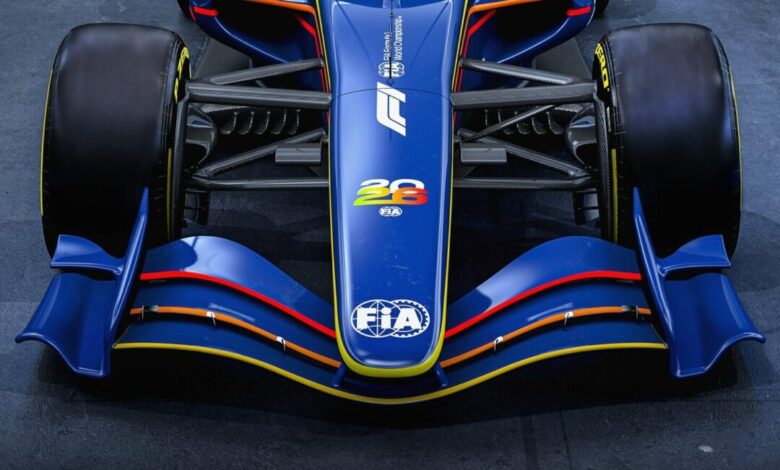
2026 will represent a turning point for Formula 1. The introduction of the new hybrid Power Units will redefine not only engine performance but also how the cars generate aerodynamic downforce. The regulations will bring the arrival of active aerodynamics and a mode designed to facilitate overtaking, two elements set to transform car behavior. To make everything clearer, the FIA has decided to modify the terminology to make it clear to the public.
Indice dei Contenuti
F1 | Evolution of technical terminology for 2026 regulations
| Old Terminology / Abbreviation | Intermediate Terminology | New Proposed Terminology | Function and Technical Details |
| Z-mode | Cornering mode | Active Aerodynamics (High downforce) | Configuration with high-angle wings to maximize aerodynamic downforce in corners. |
| X-mode | Straight Line mode (SLM) | Active Aerodynamics (Low drag) | High-efficiency configuration to reduce drag on straights. |
| MOM (Manual Override Mode) | Manual Override Mode | Overtake Mode | Temporary electric boost: allows maintaining 350 kW of power up to 337 km/h (approx. 270 extra HP at 345 km/h). |
| DRS (Traditional) | – | (Replaced by active aerodynamics) | It will no longer be the primary overtaking tool but will serve the car’s general efficiency. |
F1 2026 Regulations: FIA changes terminology
When the FIA presented the new regulatory package during last year’s Canadian Grand Prix, the new functions were initially defined as X-mode, Z-mode, and Manual Override Mode. These were technical terms, not very intuitive, and immediately reduced to abbreviations that did not explain their function: the most problematic was Manual Override Mode, summarized by the acronym MOM.
Later, the Federation attempted an initial simplification: X-mode became Straight Line mode, Z-mode turned into Cornering mode, while teams reduced the straight-line configuration to the abbreviation SLM. However, the lack of clarity remained an issue.
The new regulations will also mark the end of traditional DRS. Opening the wings will only serve to optimize aerodynamic efficiency, while overtaking will be aided by a temporary electric boost, activatable within one second of the car ahead.
A transformation of this level also requires clearer language. On the eve of the Monza Grand Prix, Stefano Domenicali had already emphasized the need for more immediate terminology, designed not to disorient the less technical audience. The same concept was reiterated by Nikolas Tombazis in Abu Dhabi: the FIA, teams, and broadcasters are working on a unified vocabulary to be used on radio, TV, and in the regulations.
The new “overtake mode” and the role of active aerodynamics in the 2026 package
Among the most significant points of the terminology revision is the possible name change of the Manual Override Mode, destined to be more clearly defined as overtake mode. On a technical level, this function allows drivers to bypass the electric power reduction curve imposed by the regulations for a few seconds.
In the standard configuration, the 350 kW from the hybrid will remain available up to approximately 290 km/h, then progressively reduce to 105 kW at 339 km/h. Once the 340 km/h threshold is crossed, electric power is cut rapidly until it reaches zero at 345 km/h, leaving the drive solely to the thermal component.
The override mode will modify this behavior: it will allow the use of maximum power up to 337 km/h, with a more progressive cut ending around 355 km/h. The advantage in a duel is substantial: at 345 km/h, the overtake mode will guarantee approximately 200 additional kW (equal to about 270 HP) compared to the standard profile.
In parallel, the current Straight Line mode and Cornering mode could be incorporated into a single, broader definition: active aerodynamics. From a regulatory standpoint, it is no longer necessary to distinguish between them, as all cars will alternate between a high-downforce setup in corners and a low-drag setup on straights.
The 2026 package will also bring a new language, built to make an increasingly complex Formula 1 accessible. The FIA’s challenge is to accompany this transformation with communication that is clear, consistent, and understandable for all fans.
👇 Ti interessa questo argomento? Clicca sui tag qui sotto per esplorare tutti gli articoli e gli approfondimenti correlati!