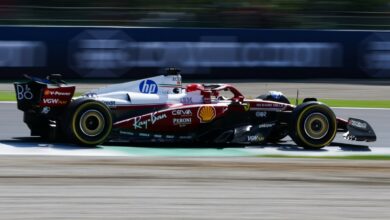
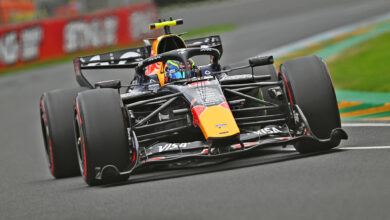
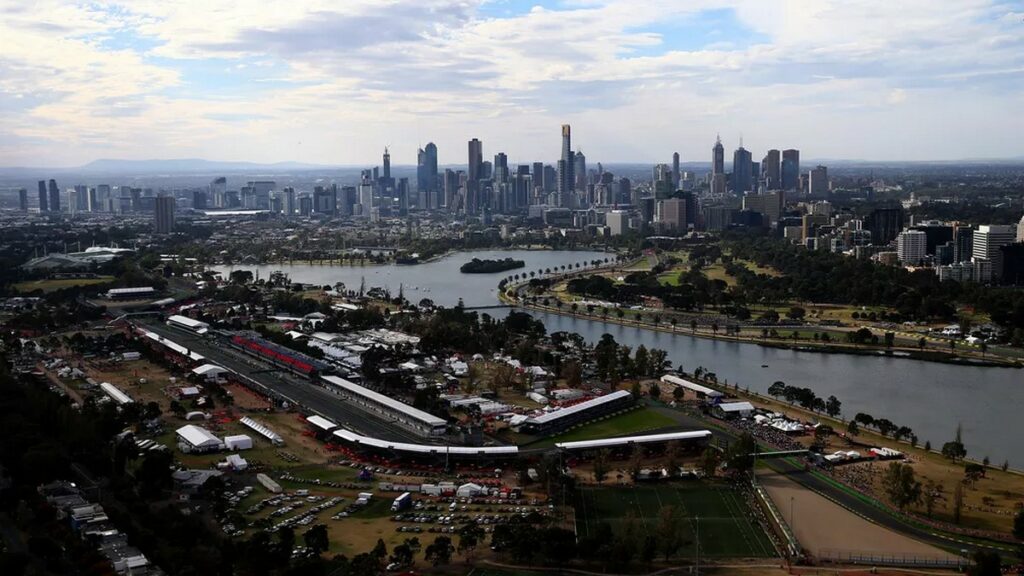
The Melbourne F1 circuit, Albert Park Grand Prix Circuit where the Australian GP is held
Discover the Albert Park Circuit in Melbourne, home of the Australian GP. Explore its history, technical features, and the latest updates for the 2026 Formula 1 season.
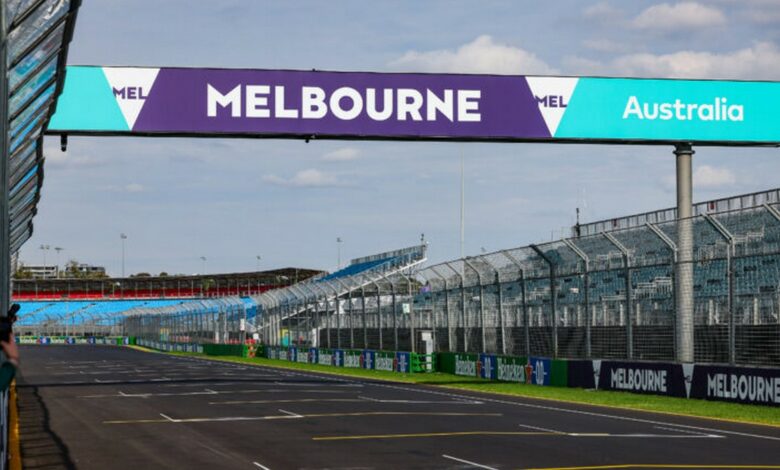
The Albert Park circuit, home of the Australian GP and located in the heart of Melbourne, is one of the most fascinating and historic events in Formula 1. Despite being a semi-permanent track, created from the public roads surrounding Albert Park Lake, it has characteristics that make it a demanding challenge for drivers. The first GP of F1 2026 will be held here on the weekend of March 6-8.
Albert Park Grand Prix Circuit
Albert Park Grand Prix Circuit of F1 in Melbourne, Australia
The Albert Park Grand Prix Circuit in Melbourne, Australia, where the Australian GP is held, is a track that extends for 5.278 km and includes 14 corners, combining fast straights with technical turns that require perfect car balance. One of the peculiarities of Albert Park is its asphalt, which is initially slippery during the first days of the weekend since it is not used exclusively for racing. As the sessions progress, rubber is deposited on the track, improving grip.
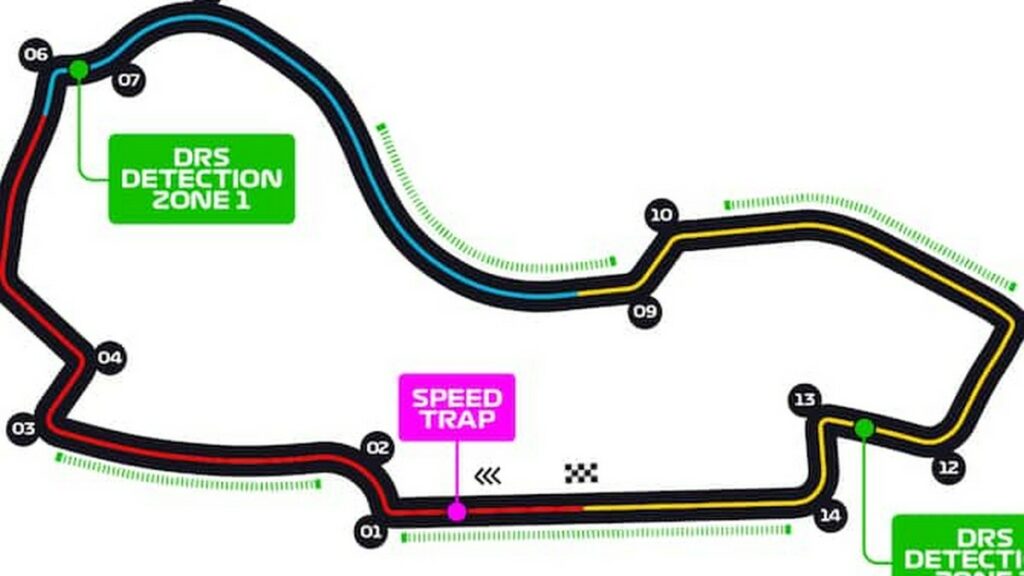
Despite not being known for offering great overtaking opportunities, significant changes have been made in recent years to make the races more competitive. The elimination of the chicane between turns 9 and 10 created a long high-speed section, while turns 1, 3, and 6 were widened to allow for more varied racing lines. Furthermore, Albert Park has become one of the circuits with the most DRS zones on the Formula 1 calendar, reaching four since 2023, to increase attacking possibilities.
🏁 CIRCUIT INFORMATION
- Circuit: Albert Park Grand Prix Circuit
- Location: Melbourne, Australia
- Race laps: 58
- Circuit length: 5.278 km
- Race distance: 306 km
- Circuit record: Charles Leclerc (Ferrari) 2024 1:19.813
- 2024 Pole position: 1:15.915, Max Verstappen (Red Bull Racing)
- 2025 Pole position: 1:15.096, Lando Norris (McLaren)
- 2024 Race winner: Carlos Sainz (Ferrari)
- 2025 Race winner: Lando Norris (McLaren)
What’s new for 2026 at the Albert Park circuit
Although the main layout has not undergone changes, there are significant updates for 2026:
- Safety improvements: work has been done on some barriers (especially at Turn 6) to reduce risks in case of high-speed impacts, based on driver feedback from previous seasons.
- Spectator infrastructure: a new pedestrian overpass has been installed near Gate 1 (much larger than the previous one) and new pontoons on the lake to facilitate the flow of the huge expected crowd (it has been heading towards a sell-out for months).
- New grandstands: several grandstands have been added or expanded, including the historic Fangio, Piastri, and Jones stands, in addition to the return of the Turn 6 grandstand.
F1 2026: A 10-day “Festival”
The 2026 edition aims to become the largest motorsport event in the world with an extended format:
- Double Weekend: organizers have planned an expansion of the program. The previous weekend (late February/early March) will be dedicated to Australian categories (such as Supercars), transforming the event into a motorsport festival lasting over a week.
- Support Series: in addition to F1, F2 and F3 will race regularly, ensuring continuous action on the track.
- New Hospitality: “The Clubhouse” debuts, a premium facility located on the Albert Park golf course with a privileged view of Turn 8.
Technical F1 Curiosities debuting in Melbourne
Being the first race of the new regulations, Melbourne will be the true testing ground for:
- 100% sustainable Power Units: cars will use green fuels and a much more powerful electric component (nearly 50% of the total power).
- Active Aerodynamics: it will be the first time we see movable wings (front and rear) operating in “X-mode” for straights and “Z-mode” for corners.
The history of F1 in Melbourne
The Australian Grand Prix was first held in Melbourne in 1996, replacing Adelaide as the race venue. From the beginning, Albert Park established itself as a circuit capable of delivering unforgettable moments and, for many years, held the role of the season-opening race.
The 1996 edition, the first held on this track, saw Damon Hill triumph for Williams, while the track’s debut was marked by a spectacular accident involving Martin Brundle at the first corner, forcing marshals to display the red flag.
One of the most spectacular accidents in the race’s history occurred in 2002, when Ralf Schumacher (Williams) took off over Rubens Barrichello’s Ferrari at the start, causing a series of retirements and a race conditioned by the events.
Albert Park is also the place where the Brawn GP fairy tale began in 2009. After the acquisition of the former Honda team by Ross Brawn, the British team dominated the Australian GP with a one-two finish, marking the start of a legendary season that led Jenson Button to the world title.
The most chaotic and strategic races
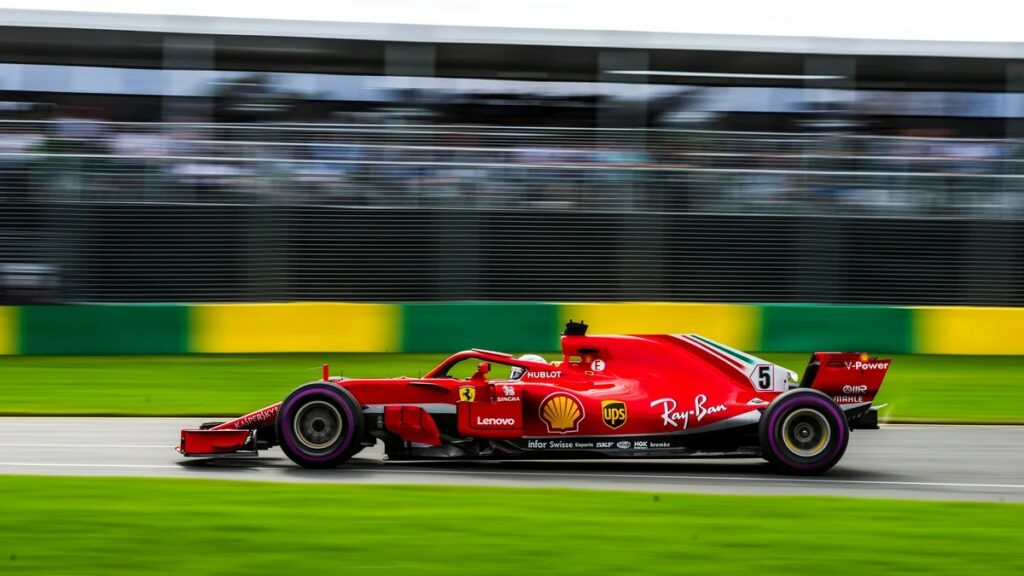
The Australian GP has often provided twists, both from a strategic point of view and due to unpredictable events. In 2018, Sebastian Vettel managed to outsmart Lewis Hamilton thanks to a perfectly timed pit stop during a Virtual Safety Car, snatching victory from Mercedes with a surprising strategy.
The 2023 edition was one of the most chaotic in Melbourne’s history, with no fewer than three red flags and a restart just a few laps from the end that triggered a series of accidents, forcing race control to intervene multiple times.
A technical and fundamental circuit for the season
Albert Park, while not among the circuits with the most overtaking, remains a benchmark for teams and drivers, especially when it hosts the opening race. With its mix of high speed, technical sections, and small margins for error, it continues to be a demanding challenge and one of the most iconic stops in Formula 1.
How to reach the Formula 1 circuit in the city of Melbourne to attend the GP
→ F1 2026 Regulations
→ What do you think about the F1 season? Join the F1 discussions on the FORUM!
👇 Ti interessa questo argomento? Clicca sui tag qui sotto per esplorare tutti gli articoli e gli approfondimenti correlati!