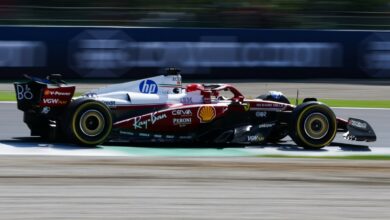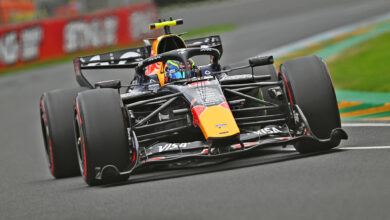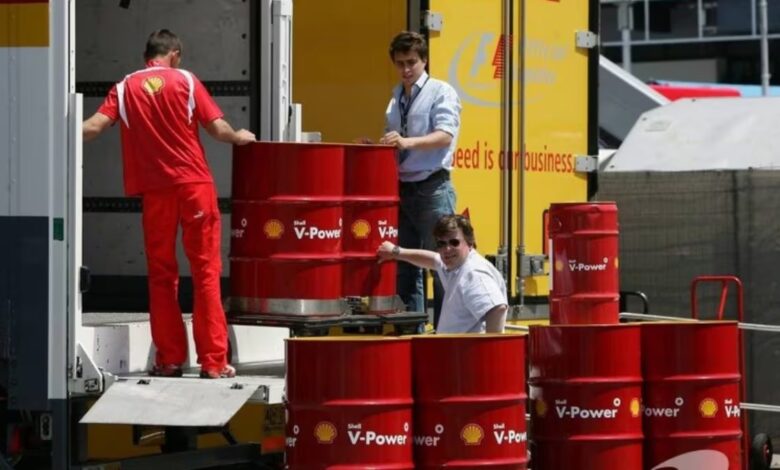
One of the most important changes in the 2026 F1 technical regulations concerns fuels, as they must be sustainable. From this year, in fact, the engines of the single-seaters must be powered by fuels that are 99% free of petroleum derivatives, forcing teams and their partners to find new raw materials to refine sustainable fuels. At the moment, it remains a difficult challenge, with brands struggling to produce the necessary quantities, added to the problem of price sustainability and engineers who reasonably keep every secret about the mixture to themselves.
Furthermore, to speak of a purely sporting aspect, the real on-track performance is still unknown. On the other hand, there are many changes to the regulations; for example, finding the perfect fuel combination for the efficiency of one’s Power Unit could make all the difference. For this reason, and to facilitate the work of the engineers, maximum freedom has been granted in terms of research and technical partnership, also ensuring a greater variety of solutions.
F1 2026 new sustainable fuels / e-fuels
Biofuels and E-fuels: the two paths for F1 2026
The new regulation imposes the use of fuels 99% free of fossil derivatives. The solutions adopted by the oil giants (Shell, Petronas, ExxonMobil, Aramco) are divided into two main categories:
- Advanced biofuels: obtained from agricultural waste, organic waste, and cellulose (second generation), avoiding impact on the food chain.
- E-fuel (Synthetic fuels): created by capturing CO2 from the atmosphere and combining it with hydrogen produced via electrolysis from renewable sources.
Regarding the development of sustainable fuels, teams have been given carte blanche, and each with their own partners, has been able to study the best solution for their needs. Therefore, it should be remembered that each team jealously guards the knowledge developed in this field. However, it is known that the best solutions at the moment are advanced biofuels and synthetic e-fuels, as they are already tested and sustainable as per the regulations.
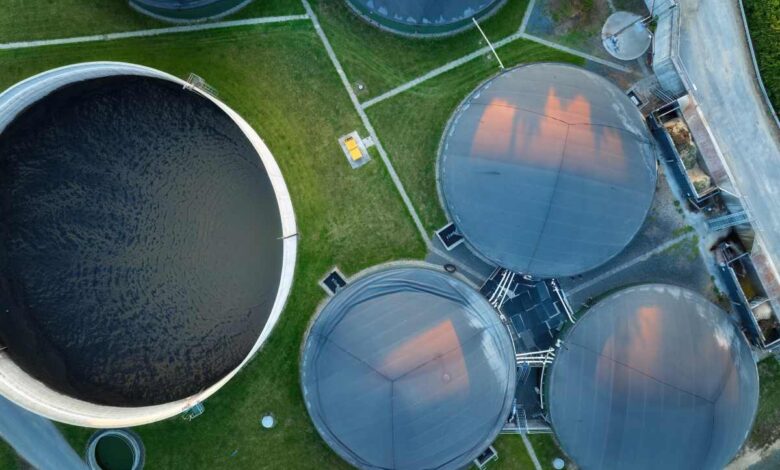
Advanced Biofuels
Biofuels are gasoline, gas, and diesel defined as “sustainable” because they use waste products and capture gases. These, instead of being released into the environment, are recovered to balance its CO2 impact.
To produce them, biological waste produced by sectors such as agriculture and the paper industry is used. Agricultural leftovers, organic waste, and cellulose are products to be thrown away but also valid alternatives to hydrocarbons of fossil origin. They are defined as “advanced” biofuels as they are second generation, meaning they do not affect the food chain and are produced with new techniques such as gasification or fermentation. Both processes use the fermentation of biomass or cellulose to obtain combustible gases or liquids.
Synthetic E-fuels
Synthetic e-fuels, on the other hand, use fuel synthesis processes starting from base molecules, namely carbon dioxide CO2 and hydrogen H. A good foundation to make an e-fuel sustainable is renewable energy, with which raw materials can be collected and refined without having to resort to fossil energy. Now, hydrogen can be produced from the electrolysis of water and combined with CO2 collected from the environment. In this case too, the carbon dioxide recovered from the environment will then be released after combustion, but in theory, it balances the sustainability account.
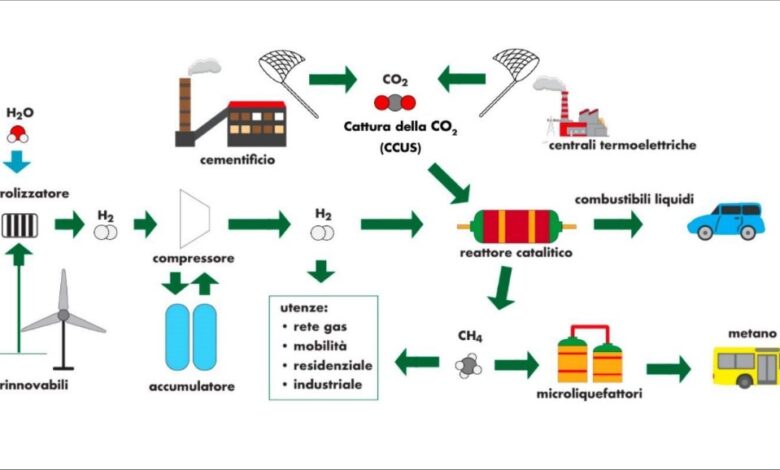
Both paths currently most popular with teams therefore focus on a virtuous hydrocarbon production chain. This does not change the nature of the molecules produced: biofuels and e-fuels remain hydrocarbons, which act similarly to the fuels already in use. The product of combustion is still a release of CO2 and heat, thus shifting the advantage to the balance of emissions to result in zero impact. These are the standards for sustainable fuels that the FIA imposes on F1 in 2026, aligning with the definition of the Renewable Energy Directive of the European Commission on the subject. The federation itself intends to enforce it for the teams by issuing a certification after inspections. Also for the junior categories such as F2 and F3.
Performance of F1 2026 Sustainable Fuels
Contrary to initial doubts, the new fuels will not penalize performance. Thanks to the possibility of synthesizing the molecule “to measure,” engineers are aiming for greater energy density. This will allow for carrying fewer kg of fuel, lightening the car, and optimizing combustion despite the new limit on the compression ratio (16:1) and single ignition.
The fuel change requires and allows for a redesign of the internal combustion engine. In terms of current performance, the engine will maintain performance similar to that with a classic fuel. At least not negatively: engineers have the opportunity to design a propellant from scratch and synthesize it so that it has the required characteristics, so an improvement in performance can be expected with full certainty. Having the new rules on compression and detonation to consider, a fuel could be studied capable of using the addition of methanol to delay and concentrate the detonation at the appropriate time and maximize engine efficiency.
Or again: given the greater contribution of the electrical component of the Power Unit, fewer kg of fuel will be needed to complete the race, while an intelligent use of fuel energy to power the hybrid will be fundamental. Furthermore, the car could be lightened even more if the fuel managed to have a lower specific weight for the same energy developed, i.e., a higher energy density. It may seem like science fiction, but these are all possible scenarios and certainly already considered by some of the best engineers in the world. The important thing is to stay within the imposed octanes between 90 and 120.
F1 Teams and Partnerships for Sustainable Fuels
| Team | Power Unit | Sustainable Fuel Supplier | Notes |
| Mercedes-AMG Petronas F1 Team | Mercedes | Petronas | Long-standing technical partner for fuels/lubricants; developing high energy density blends. |
| McLaren F1 Team | Mercedes | Petronas (with Mercedes) | Shares Power Unit and fuel with Mercedes |
| Williams Racing | Mercedes | Petronas (with Mercedes) | Shares Power Unit and fuel with Mercedes |
| BWT Alpine F1 Team | Mercedes | Petronas (with Mercedes) and ENI | Shares Power Unit and fuel with Mercedes, to which ENI is added |
| Scuderia Ferrari HP | Ferrari | Shell | Long-standing partner: Shell is working on an “Advanced Sustainable Fuel” formula from biomass and waste |
| TGR Haas F1 Team | Ferrari | Shell (with Ferrari) | Shares Power Unit and fuel with Ferrari |
| Cadillac F1 Team | Ferrari | Shell (with Ferrari) | Shares Power Unit and fuel with Ferrari |
| Oracle Red Bull Racing | Red Bull-Ford | Exxon-Mobil1 | Strategy based on easily variable e-fuels |
| Visa Cash App Racing Bulls | Red Bull-Ford | Exxon-Mobil2 | Shares Power Unit and fuel with Red Bull |
| Aston Martin Aramco F1 Team | Honda | Aramco | Already official supplier for junior categories |
| Audi Revolut F1 Team | Audi | BP/Castrol | Strategy on combustion optimization and energy efficiency |
A challenge for F1 and the future of the internal combustion engine
This enormous technological/industrial challenge involves the entire automotive sector, which is struggling to convert totally to electric and is looking for alternative paths. Formula 1 puts itself at the forefront and anticipates the “civilian” market. But even here there seems to be some difficulty, with the FIA forced not to impose the mandatory use of sustainable fuels for the first scheduled events, as they are still difficult to find. The processes are long and particularly expensive, with estimates up to over €100 per liter.
As with many other car inventions and technologies, the top category will be a testing ground for its strengths and weaknesses. After all, the challenge was posed first to F1 engineers, so that knowledge, money, and competitive challenge push towards a more sustainable future.
F1 2026 Engine Regulation Change
There are many changes, but for the purposes of this discussion, the only important one besides the issue of sustainable fuels itself is the Power Unit. The technical regulations for 2026 will bring radical changes for engine manufacturers. Here are the highlights:
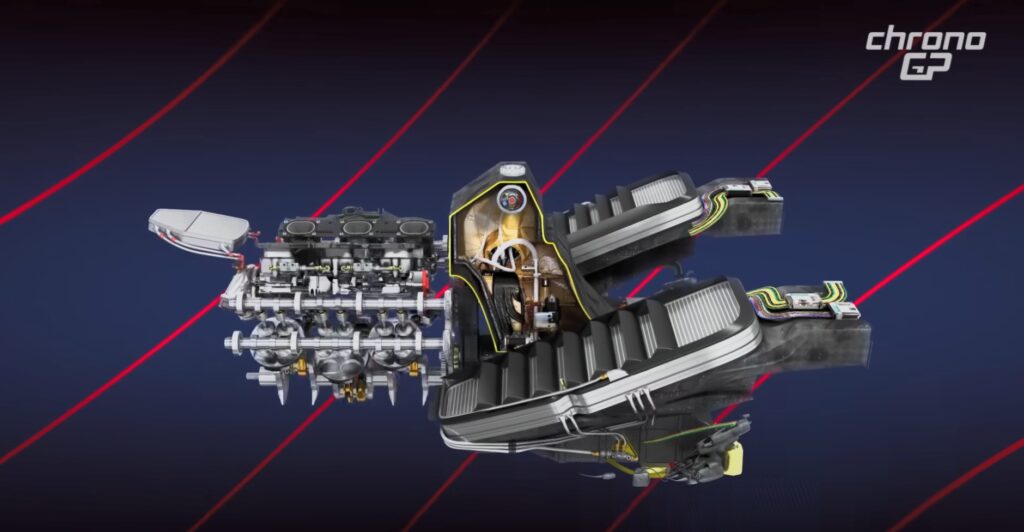
- Power distribution: power will be delivered equally, 50% from the internal combustion engine (ICE) and 50% from the electrical part. The ICE will see its power reduced to about 400 kW, while the electrical part will increase significantly, reaching 350 kW (about 476 hp), an increase of about 300% compared to 2025 and earlier engines.
- Abolition of MGU-H: the MGU-H, the system that recovered energy from the heat of the turbocharger, will be eliminated, simplifying the power unit.
- “Override” mode: DRS as we know it will be replaced by a system called “Override”. When a driver is in the slipstream of an opponent, they will have extra electrical power available to facilitate overtaking.
- Compression ratio: until 2025 the imposed compression ratio was deliberately high at 18:1, from 2026 instead it will be lower at 16:1.
- Spark plug ignition: limit of a single ignition in the combustion chamber unlike the 5 detonations that managed the flows previously.
Learn more about the new 2026 F1 regulations
👇 Ti interessa questo argomento? Clicca sui tag qui sotto per esplorare tutti gli articoli e gli approfondimenti correlati!